
Map out topics and pages
Separate commercial services from informational questions. For each URL, define the main need (keyword research), the content and the target action. Do not create separate pages just for synonyms when the offer is the same. A free website design is a handy way to test the map.
Gather the facts for the copy: what the work includes, its limits, the process and materials. Your own specific answers are more useful than reworded generic paragraphs from competitors.
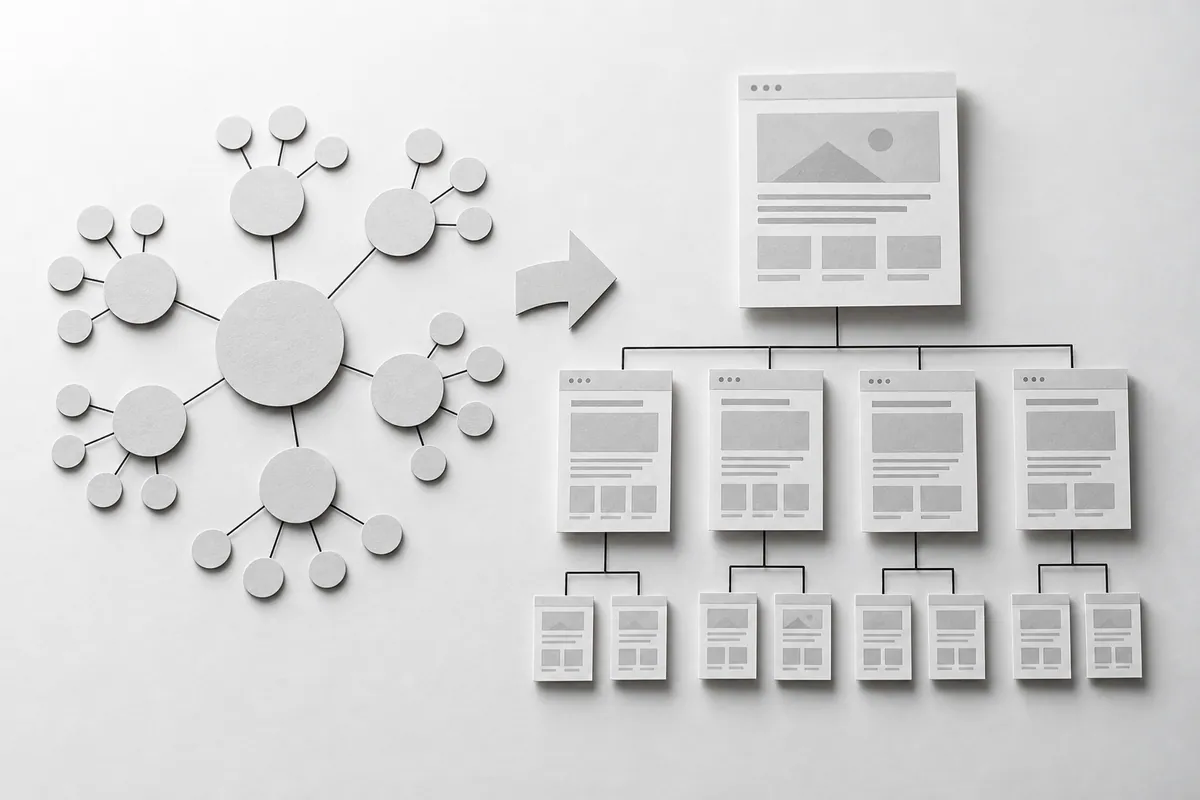
Build in technical elements you can control
You need clear URLs, an editable title and description, working links and accessible content. Check the mobile journey and speed. If there is an old site, prepare a redirect map.
Keep the staging copy separate from the live site. Before launch, check that the indexing rules apply to the right domain. Do not open the staging copy to search engines just because the copy on it is finished.
Get ready to monitor after launch
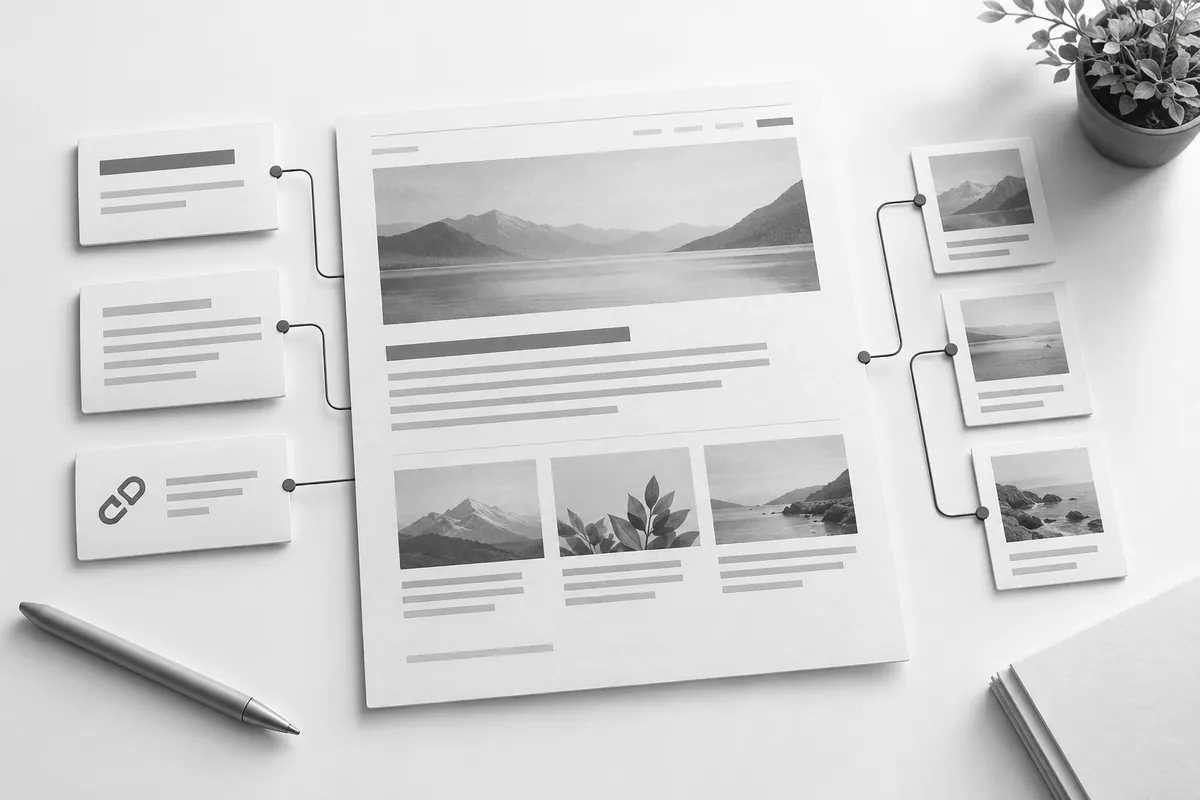
Set up access to the agreed measurement tools and check that the main action is being tracked. Save a snapshot of how the pages look at launch. Then you can evaluate changes instead of piecing history together from memory.
SEO for a new website needs ongoing data and editing. When you launch your business online, it pays to bring structure, content and lead handling together from day one.