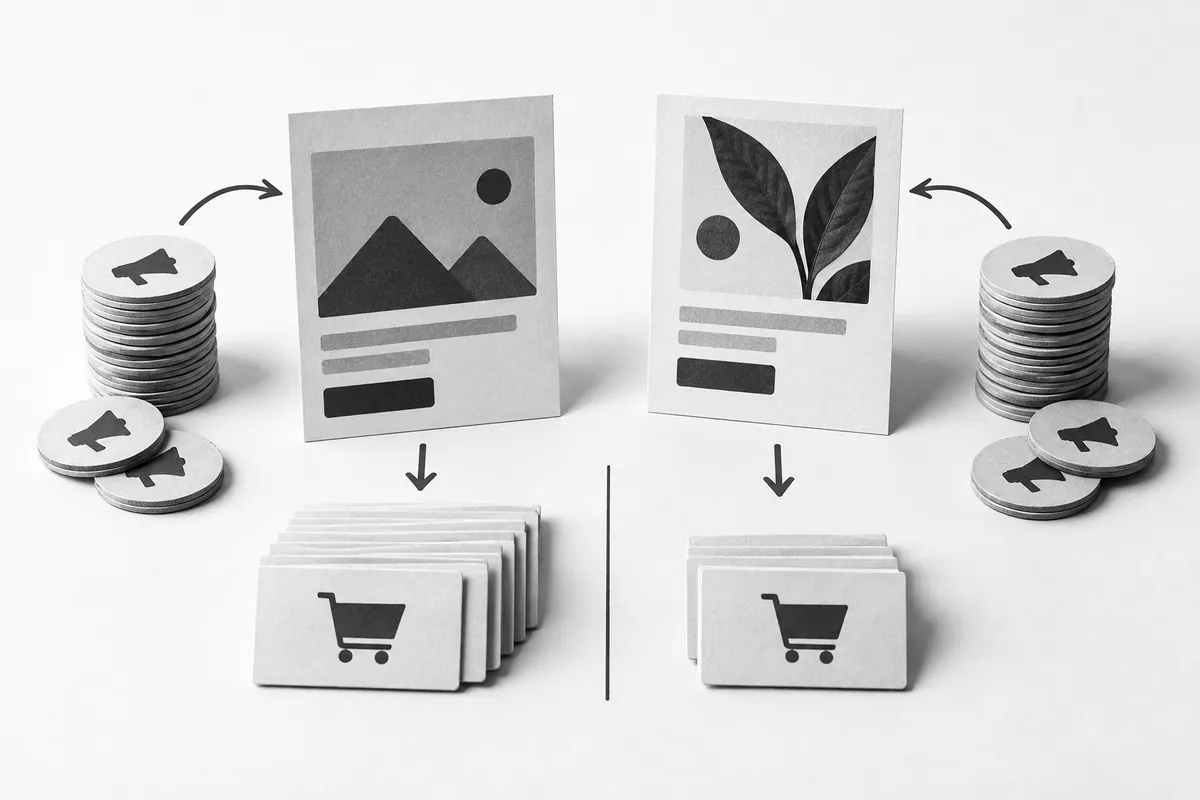
First, be clear about what you're comparing
Google Ads is a much broader platform than search ads alone. For a first decision, it is more useful to compare a search campaign specifically with ads in social media feeds. Otherwise different formats, audiences and goals get mixed up in one conversation.
Search ads can answer a query someone has already typed. Google explains how ads relate to queries and settings in its help article on ads and search results. But a query doesn't always mean readiness to buy: "how to do it yourself" and "hire someone to do it" carry very different intent.
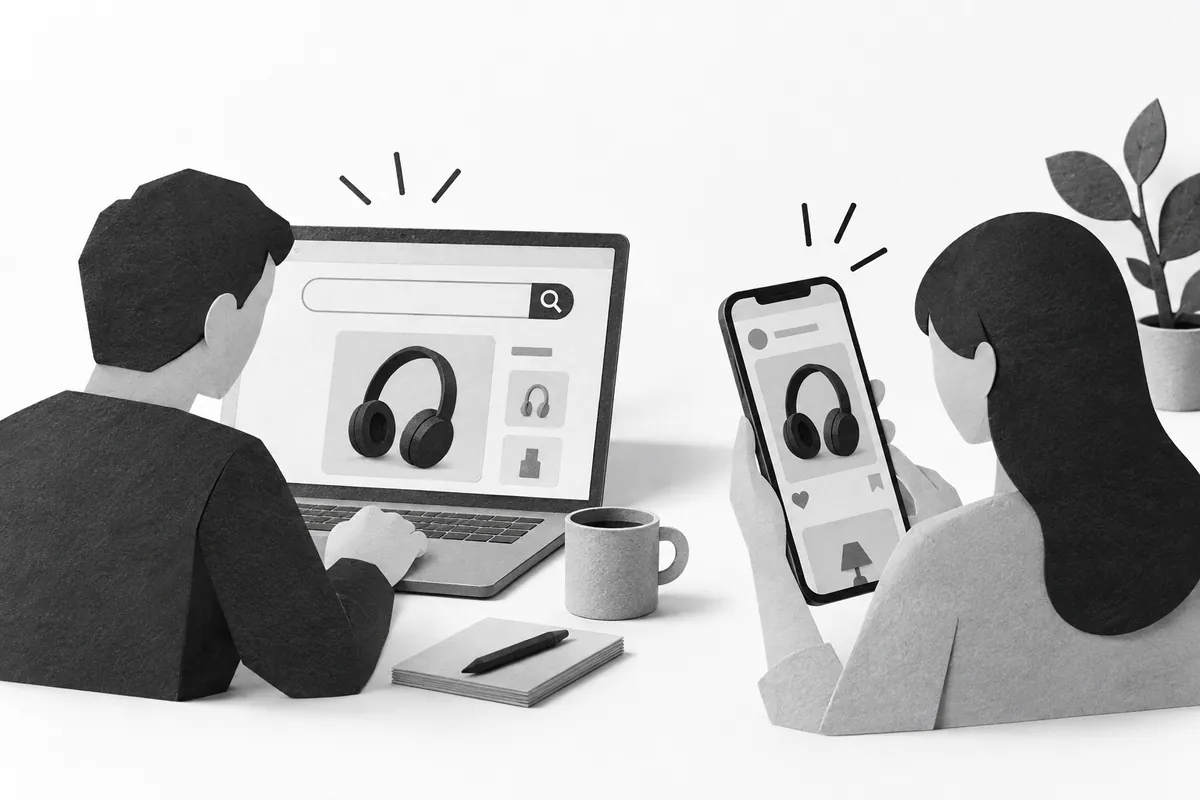
Existing demand: from query to the right page
If potential clients know what your service is called, start with groups of real search queries. Check the location, the specifics of the product and the limits of what you serve. The ad should lead to a page where the person immediately finds an answer to their query, not to a generic homepage listing everything you do.
A simple example: a company installs ventilation for commercial premises only. Searches for a household fan don't become qualified just because they contain a related word. Here, a precise offer and careful query selection matter more than the total number of clicks.
When the product has to be shown first
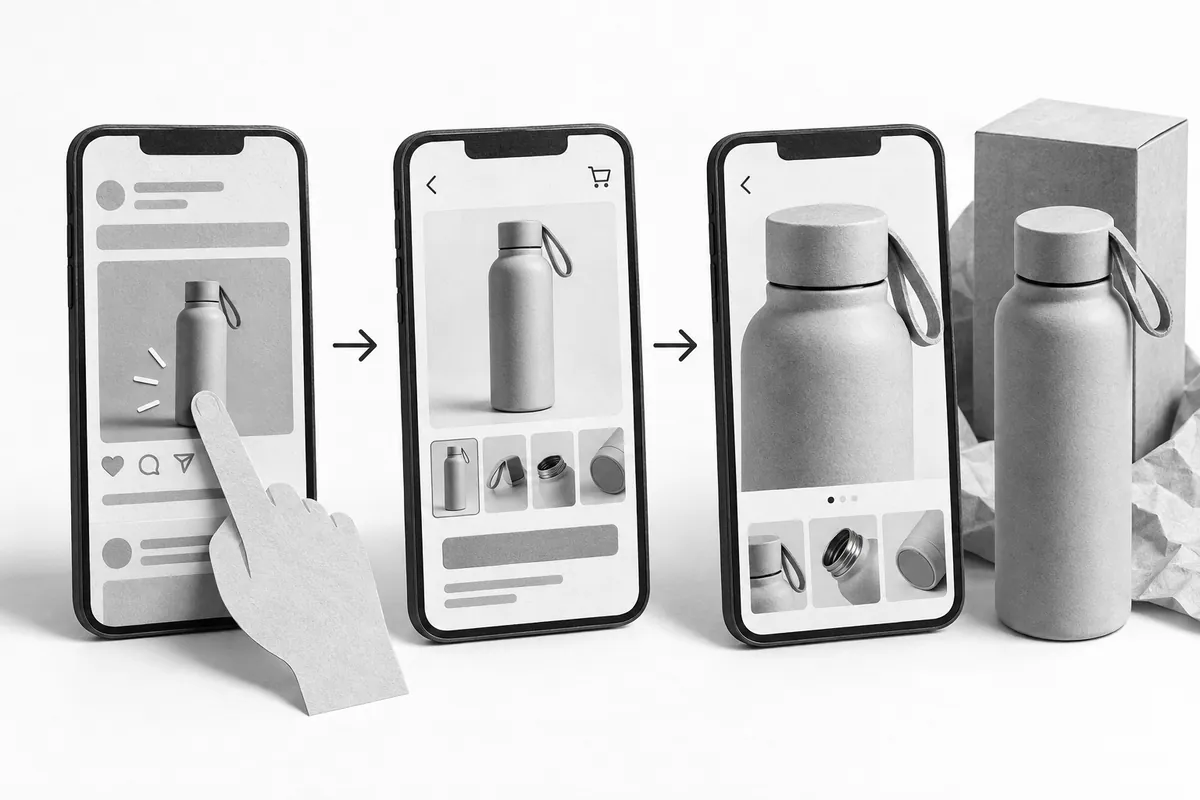
Social ads let you open the conversation with a situation, a problem or a visual result. That helps when the buyer hasn't yet put a name to the solution. But a striking image doesn't replace clear terms: people need to know what they'll get after they tap.
Prepare a few genuinely different angles and test them one at a time: saving time, a specific use case, removing a hassle. Ten nearly identical images with different backgrounds are not a test. After the click, the page should continue the promise the ad made.
Compare the quality of results, not the cost per click
For both channels, agree on what counts as a qualified lead. For example: the right region, a relevant service, a real contact and an order you can actually fulfill. Flag duplicates, spam and inquiries about other products separately.
A cheap click may bring idle curiosity, while a pricier one brings someone with a considered request. Compare the cost of a qualified inquiry, the follow-up conversations and the sales using the same rules. Allow for decision lag: yesterday's lead for a complex B2B service hasn't had time to become a contract yet.
How to run your first controlled test
Pick one offer, one clearly defined audience and a ready landing page. Write down the hypothesis, the budget limits and the data you will base your decision on. Don't spread a limited budget across dozens of directions if you won't be able to explain the result of each one.
If people already search for your service by name, start with Google Ads search campaigns: they answer demand that already exists. If the product first needs to be shown and explained, run the first test with paid social ads. You can combine the channels later, but each one should be judged on its own.